


The internet runs on pictures now. People don't stop to read; first, they look. A quick scroll through an online store, a passing glance at a post, and the decision's made. What stands out wins. Studies even back it up: most of us remember what we see far better than what we read.
That's where retouching earns its place. It's not about filters or fixing every pixel. It's about shaping a photo until it feels right, balanced light, honest color, no noise to pull your eye away. Done well, it doesn't scream "edited." It just looks real, the way the brand wants to be seen.
Of course, keeping that quality steady inside a busy team is rough. Deadlines pile up, budgets shrink, and consistency slips. So a lot of companies now hand their images to specialists who do this all day. They move fast, handle scale, and still keep a clean, uniform style that internal teams struggle to maintain.
Outsourcing isn't about cutting corners. Make time to work on your creative ideas, campaigns, and the stories behind your photos. Let professionals handle the finishing touches. Balancing your vision with their execution keeps your brand looking sharp.
The Role of Photo Retouching in Modern Business Marketing
Photo retouching isn't just about making things look good; it's actually a smart move for your marketing. It helps build trust, boosts sales, and keeps your profits safe. Here's how it can make a difference for your business in four main ways.
1. The First Impression That Actually Sells
A customer's first reaction happens in 50 milliseconds, long before they even think about buying. In that split second, they're deciding how your brand makes them feel. Research shows that 94% of first impressions are design-related, and if the photo looks dull, blurry, or unevenly lit, that feeling isn't good. They subconsciously link image quality with product quality. But a clean, carefully retouched photo instantly tells a different story: you can trust this brand.
Think about fashion retailers. They invest in expert retouching not to fake perfection but to make details; fabric textures, skin tones, folds, and colors feel natural yet elevated. Those small refinements, like removing a crease or balancing the light, can quietly shift a product from looking ordinary to premium.
2. Building a Consistent Brand Look Everywhere
Your brand doesn't live in one place anymore. It's on your website, inside a printed catalog, in Instagram ads, and maybe even on a billboard. That's why keeping a consistent visual identity matters more than ever.
When every image follows the same tone, lighting, and polish, it creates a unified look that customers start to recognize instantly. Outsourced photo retouching teams specialize in that kind of precision, matching thousands of photos to the same standard without losing each product's individuality. Over time, that consistency builds something priceless: familiarity and trust.
3. Turning Attention into Action
We don't buy logic, we buy emotion. A strong image can make someone pause, feel something, and click "Add to Cart." Shopify's data even shows that polished visuals can lift conversion rates by as much as 30%.
It's because good imagery doesn't just show a product; it sells the idea of owning it. Outsourcing gives brands access to that level of polish at scale, whether it's a lifestyle shot made for social media or a clean, detailed packshot meant to convert browsers into buyers.
4. Fewer Returns, Happier Customers
Returns reduce profits. Thirty percent of online purchases get returned, and 22% of those returns happen because the product looks different from the image (Invesp, Shopify). Good photo editing can help solve this problem. Using true colors, realistic lighting, and spot-on textures without going overboard on editing helps set the right expectations for customers. Being honest leads to fewer returns, less hassle, and a strong reputation overall.
Top Benefits of Outsourcing Professional Photo Retouching Services
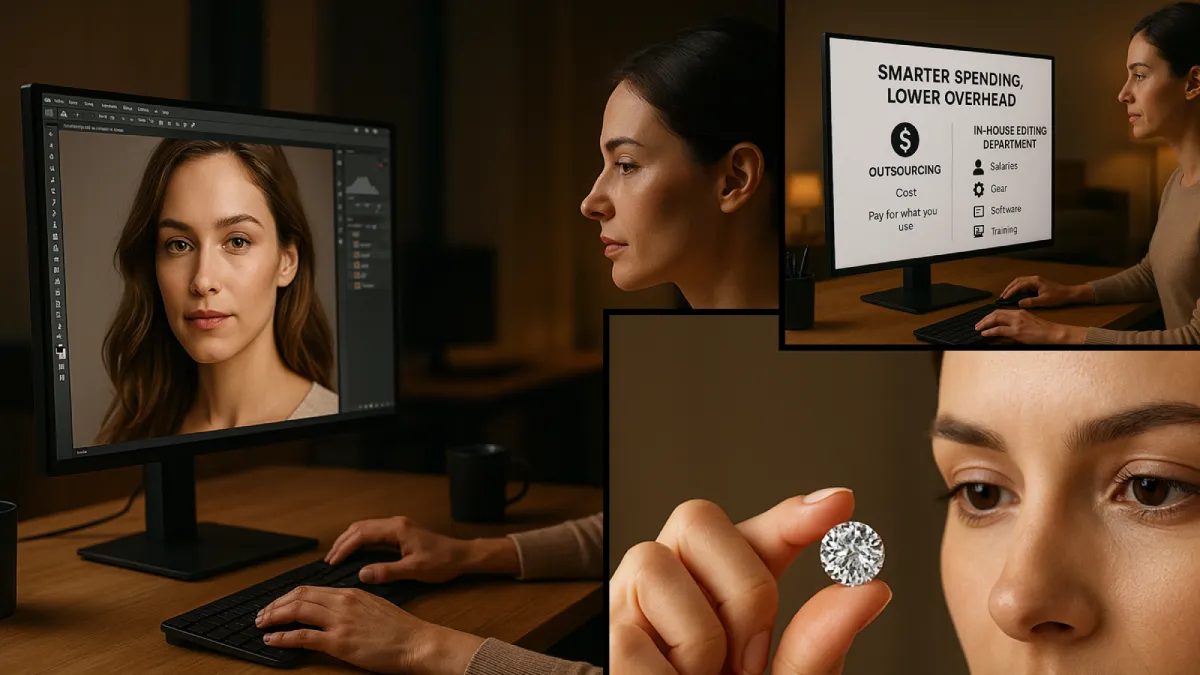
Outsourcing photo retouching helps businesses save time and money while gaining expert skills and the ability to grow. Whether you run a startup or a well-known brand, hiring professional retouching services can change how you handle your images. Here are the major 7 important benefits that show why outsourcing is a smart choice for your business.
1. Experience That Shows in Every Image
Good retouching is not just about technical skills; it also requires good judgment, taste, and attention to detail. The best editors don't rely only on software; they know how to bring a product to life through subtle decisions.
Outsourcing gives your brand access to that kind of experience. These are people who know how to make a diamond shine without exaggeration, how to preserve natural skin tones, and how to balance lighting in a room so it feels inviting instead of artificial. It's crafted through repetition, not presets.
2. Getting Work Done Without the Rush
Busy seasons stretch internal teams thin. Product launches, catalog updates, or campaign deadlines can pile up faster than the team can edit. That's where outsourcing changes the game.
Professional retouching companies are built for scale; they can move thousands of images through their system without losing quality. Many operate around the clock, so while your office is dark, someone elsewhere is polishing your next batch of photos. You come back to progress, not panic.
3. Smarter Spending, Lower Overhead
Running a full-time editing department sounds great until the bills start to show up, salaries, gear, software, and constant training. Outsourcing replaces all that with something simpler: you only pay for what you actually use.
Whether it's fifty photos this week or five thousand next month, the cost adjusts to your needs. It's the simplest way to manage budgets without sacrificing quality, which is super helpful for small and growing brands.
4. AI Speed + Human Artistry
Modern retouching houses blend automation with artistry. Artificial intelligence can do repetitive tasks such as cleaning backgrounds, fixing small flaws, and adjusting lighting. Meanwhile, human editors focus on things that software can't handle, such as tone, emotion, and the overall brand feel.
That partnership speeds up delivery but still keeps the creative heart intact. The result looks professional yet human, not overly processed.
5. Consistency You Can Rely On
When a brand manages thousands of product shots, one image out of place can throw everything off. Outsourced teams prevent that by following brand guidelines down to the smallest tone or crop.
Before the final delivery, every batch goes through several layers of quality checks. That discipline keeps your catalog unified, not just clean, but unmistakably you.
6. Built-In Flexibility for Growth
One of the biggest advantages of outsourcing is scalability. Some months are slow; others explode with new collections or campaigns. Instead of hiring new workers or letting employees go each season, you can simply adjust the service according to your needs.
It's a safety net for marketing teams, always ready, never idle. Your workload changes, but your workflow stays steady.
7. Safe Hands for Sensitive Work
Your images are important assets, and professional editing companies understand this. The best ones use secure methods like encrypted uploads, private servers, and non-disclosure agreements to protect your files.
This focus on security builds trust. When you know your creative files are safe, you can concentrate on what matters most: your next shoot, product, or campaign.
Photo Retouching Use Cases Across Key Industries
Photo retouching is not the same for every use. Different industries have different needs. What works for e-commerce may not work for weddings, and jewelry needs a different approach than real estate. Professional retouching changes to fit the context, the audience, and the story each image should tell. Here's how retouching improves visuals in 5 major industries.
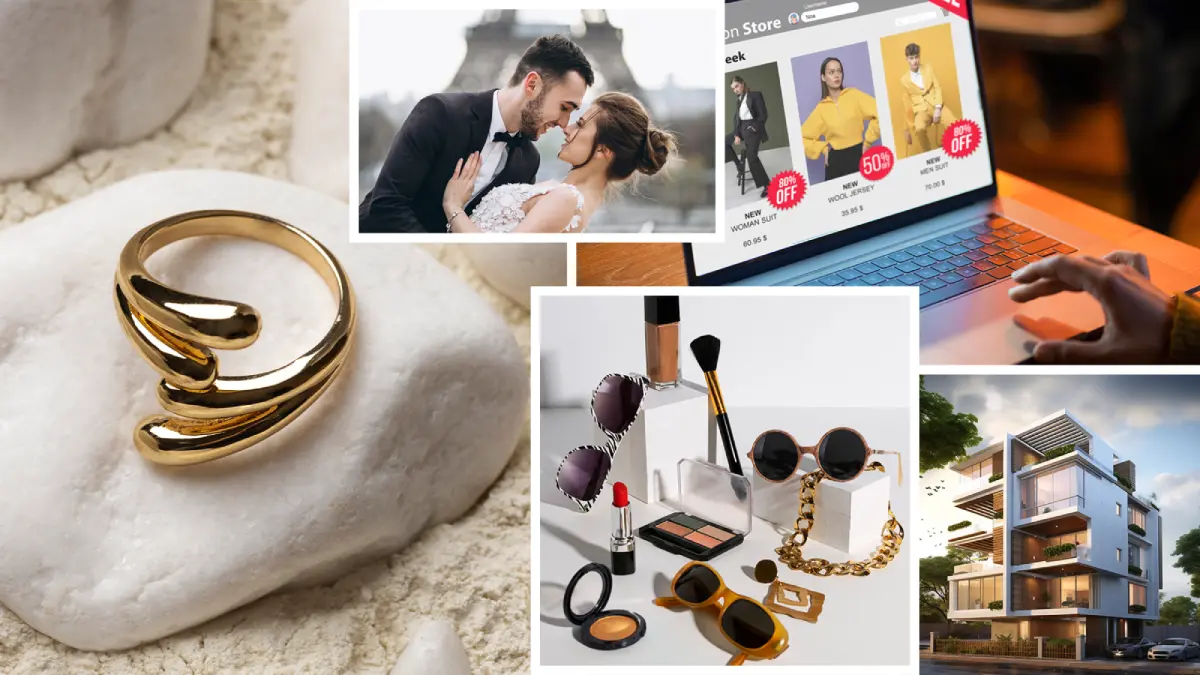
E-Commerce Product Retouching
Online shopping doesn't let people touch, hold, or turn a product in their hands. The photo has to do all the convincing, and that's a big ask. That's why smart brands hire seasoned retouchers instead of relying on automation.
Editors work to make products look real in images. They adjust the lighting so the object appears natural, add subtle shadows to give it depth, and ensure that each image matches the others. A store should have a consistent look and feel, not look like a collection of copied images.
Think of a lifestyle brand uploading a few hundred new products. Rather than burning hours on edits, the team hands everything to a retouching partner who keeps the look and tone steady from first image to last. The gallery ends up feeling polished but still human, like someone actually cared about how it looked.
Jewelry Photo Retouching
Jewelry is gorgeous in person and almost impossible to photograph. One bad light bounce, and the sparkle's gone. Skilled editors know this; they spend time coaxing shine from the metal, not faking it. This is how actual jewelry photo retouching works.
They'll chase down reflections, even out the color of the gems, and keep the texture honest so the photo feels tactile. The best jewelry shots don't scream perfection; they just quietly glow.
Fashion and Beauty Retouching
Fashion imagery is its own language. One photo can say "luxury," another says "comfort," and sometimes both live in the same frame. That balance comes from careful editing, not heavy filtering.
Retouchers who work in fashion understand how skin should look under soft studio lights, how a fabric drapes in motion, and how to keep colors believable even when they're enhanced. They remove distractions, yes, but they also protect the honesty of the moment.
A good fashion edit doesn't feel edited; it just feels right.
Real Estate Photo Retouching
Real estate photography isn't about rooms, it's about how those rooms feel. A well-edited image makes a space look bright, open, and inviting without lying about what's there.
Professional editors tweak exposure, correct perspective, and clean up clutter that the camera accidentally captured. Sometimes they'll replace a grey sky or balance window light so the whole scene breathes evenly.
Agencies that outsource this work get consistency across hundreds of listings. Every property looks its best, but it is still real enough that a buyer can imagine walking through it.
Wedding and Portrait Retouching
Wedding photography really hits different when it comes to capturing emotions. Each shot tells a unique story, and if you edit too much, you risk losing the essence of it all. That's why a lot of photographers team up with retouching pros; these folks know how to enhance without making things feel fake.
They adjust the lighting, smooth out minor imperfections, and balance the tones, all while keeping those genuine expressions intact, to take perfect wedding photos. The couple still looks like themselves, just looking their absolute best.
For photographers dealing with a ton of wedding images, outsourcing this part means they can deliver quickly and have more time to focus on the creative side of things again.
How to Select the Best Photo Retouching Outsourcing Partner
Choosing the right photo editing partner is crucial. You want a team that understands your brand, meets your deadlines, and keeps your assets safe. Picking the wrong partner can waste your time and money and harm your consistency. The right partner will feel like part of your creative team. Here are some tips to help you make a good choice.
1. Review Their Work, Not Just Their Website
Don't stop at what they claim; look at what they've done. A good retouching partner will proudly show real samples across different industries: jewelry, fashion, interiors, and even product lifestyle shots. You should be able to see their range and attention to detail right away.
2. Ask About Their Process
Every trustworthy company has a proper workflow for clients. Check if they have a multi-stage review process, share previews before delivering projects, or give revisions during the full process. The more open they are about how they work, the easier it will be to trust them for your visuals.
3. Test Their Capacity and Turnaround
Imagine you have thousands of images to organize, and now everyone needs them right away. Does that sound familiar? Here's what separates the pros from everyone else - they can handle those crazy busy periods without their work falling apart. When you're vetting a team, ask them straight up: "How do you deal with those overwhelming weeks? Do you maintain the same quality when you're rushing?" Good teams don't just survive the chaos - they thrive in it.
4. Check Their Security Practices
Your product photos are valuable assets. Make sure the company uses encrypted file transfers, secure storage, and NDAs. GDPR compliance is a plus. You want to know your creative files won't end up anywhere they shouldn't.
5. Understand Their Tools
Good results come from combining skill and technology. The best retouching teams use AI tools for quick fixes but depend on expert editors for creative decisions. Ask them about their tools, like Photoshop, Lightroom, and Capture One, and how they mix automation with a human touch.
6. Start with a Small Trial
Before signing a big contract, send over a small batch of images. This trial tells you everything about how they communicate, how long they take, and whether they understand your brand's tone and style. A good partner treats even a test job seriously.
7. Communication Is Everything
Before signing a big contract, send over a small batch of images. This trial tells you everything about how they communicate, how fast they deliver, and whether they understand your brand's tone and style. A good partner treats even a test job seriously.
Ready to Find Your Retouching Partner?
Choosing the right team takes time, but it's worth it. If you're looking for a partner that checks all these boxes: quality, speed, security, and clear communication, The KOW Company is here to help. Start with a trial batch and see the difference for yourself.
Best Practices for Implementing Outsourced Photo Retouching in Your Workflow
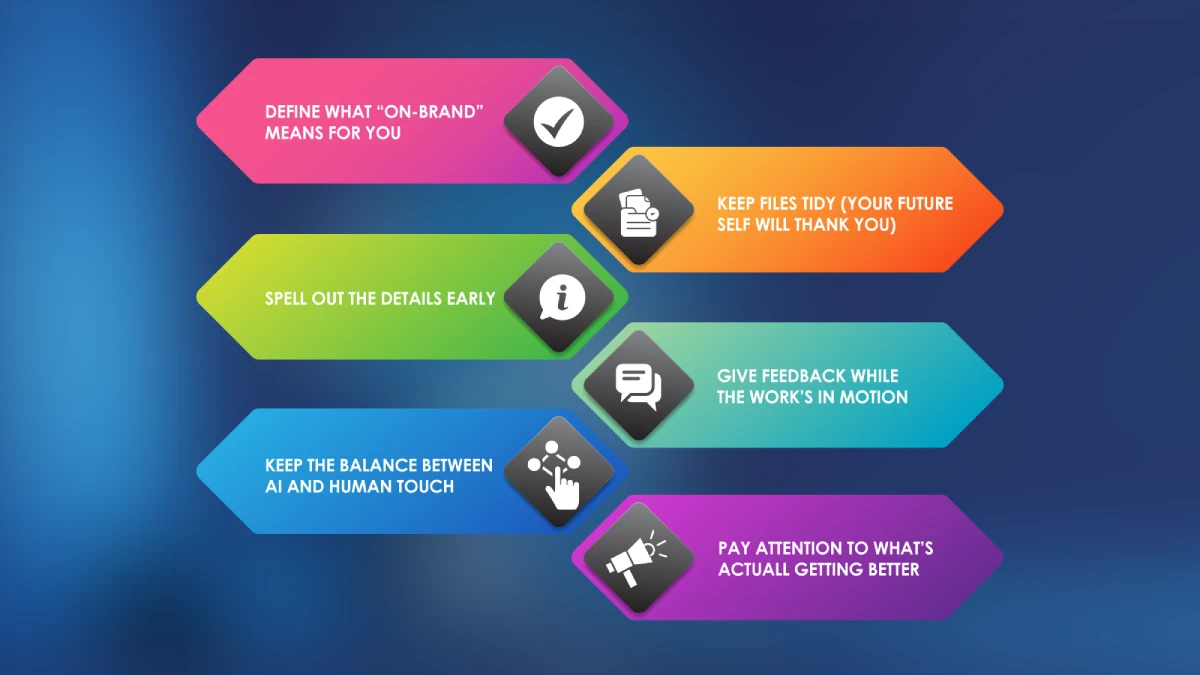
To get the most out of outsourced photo retouching, create a simple system for everyone involved. Whether you are working on e-commerce or marketing, clear communication, organized files, and realistic expectations are key. This reduces the time needed for revisions and lets you focus on what really matters.
1. Define What "On-Brand" Means for You
Before you hand anything over, spend a few minutes showing your partner what "right" actually looks like. Pull a few past campaign shots or product photos that capture your preferred lighting, tone, and mood. Maybe your brand leans clean and minimal, or maybe you like deeper contrast and warmer colors.
The goal is to give them something to mirror. Include specific technical requirements in your brand guide: resolution standards (300 DPI for print, 72 DPI for web), color profiles (sRGB for digital, Adobe RGB for print), and preferred file formats (layered PSD for complex edits, high-quality JPEG for final delivery).
If both sides see the same reference, it makes revision easier. Create a simple color palette with hex codes and note your preferred skin tone adjustments (warm, cool, neutral) to ensure consistency in all projects.
2. Keep Files Tidy (Your Future Self Will Thank You)
A messy folder can waste more time than bad lighting. Give every file a sensible name, something like SKU123-Red-Front.jpg, and group them by category. Establish a maximum file size limit (typically 50MB per file) for efficient transfer and consider implementing a folder structure like: Project_Name/01_RAW_Files/, 02_Client_References/, 03_Work_in_Progress/, 04_Final_Deliverables/.
A bit of structure up front keeps things from turning into chaos later. Creating a simple habit can save you hours when reviewing changes or giving feedback. Make sure to address security protocols early. This helps your partner follow GDPR rules for client data and use secure file transfer methods like SFTP or encrypted cloud storage.
3. Spell Out the Details Early
Avoid making assumptions. Clearly discuss how deliveries will be made, when they will happen, and how you will handle revisions. If you want layered PSDs or weekly previews, let your team know. Set realistic expectations based on industry standards: e-commerce usually needs 24-48 hours, fashion and beauty projects take 3-5 business days, and real estate work often requires a quick turnaround of same day to 24 hours.
Clear expectations sound boring, but they prevent the long email threads that usually show up at the worst possible moment. Establish a revision limit (industry average is 1.5-2 rounds) and create contingency plans for rush jobs, typically charging 50% extra for less than 24-hour delivery.
4. Give Feedback While the Work's in Motion
Don't wait until everything's finished. Review smaller batches, jot quick comments, or drop screenshots with notes. Even short feedback rounds help your editor get a feel for your taste. Over time, they'll start catching the small details before you even mention them, and that's when a partnership really starts to click. Use structured annotation tools like ReviewBoard or Ziflow to streamline the feedback process, and maintain a feedback archive to track common issues and improvements over time.
5. Keep the Balance Between AI and Human Touch
Automation is great for the repetitive stuff, removing dust, balancing colors, and fixing uneven lighting. AI tools like Luminar AI for sky replacement, Photoshop's Neural Filters for skin smoothing, and Retouched.ai or Remove.bg for background removal can handle basic tasks cost-effectively ($1-3 per image versus $5-15 for human-only work). But when it comes to deciding how an image should feel, that's still a human skill.
An experienced retoucher knows when to add warmth to a photo, when to limit sharpening, and when a shadow can express emotion. Let AI take care of the routine tasks, but rely on humans for the creative decisions that give your images life and personality. A combo approach typically runs about $2-8 per image and tends to strike the best balance between getting things done quickly and having good quality.
6. Pay Attention to What's Actually Getting Better
Once your workflow's running, keep an eye on the results. Are files coming back sooner? Do the images look more consistent across campaigns? Have customer returns slowed down because the visuals match real-world products more closely? Keep an eye on important metrics. Revision rates should be less than 1.8 rounds per project, and on-time delivery rates should be 95% or higher.
To calculate your ROI, use this formula: Cost per image = Total monthly cost ÷ Images processed. An effective workflow should lower costs by 30-50% compared to handling it in-house. These small numbers will show you if the partnership is effective. Use them to improve your process. The goal isn't just faster delivery, it's smarter improvement over time. Keep good relationships with 2-3 backup vendors. Set up clear steps to follow if there are quality issues to ensure the business runs smoothly.
Future Trends and Considerations of Photo Retouching
The future of photo retouching will focus on better workflows that mix human creativity with technology. Brands that adapt quickly will have faster results, lower costs, and stronger connections with their audiences.
1. Smarter AI Retouching Pipelines
Photo editing using AI gets better every year. By 2026-2027, these tools will recognize a brand's unique style, including lighting, contrast, and color balance, and automatically apply those choices across thousands of images. Adobe Sensei and Luminar Neo are already examples of this future, with AI that learns from a brand's past work and mimics the same aesthetic choices.
That shift will cut down the repetitive steps and give creative teams more time to focus on direction and storytelling. Early adopters report saving 60-80% of the time on basic corrections. They also see costs drop from $15-25 per image to just $2-8. The technology may handle the mechanics, but people will still guide the taste, emotion, and intent behind every visual. Think of it as having a skilled assistant who never forgets your preferences but still needs your creative vision to make magic happen.
2. Integration of 3D Techniques with Traditional Retouching Practices
The difference between digital images and real photos is decreasing. Many brands are now combining computer-generated product models with high-quality editing to produce images that appear both flawless and realistic. IKEA is at the forefront of this trend, with 75% of its catalogue images being 3D renders with photographic textures. This switch is saving them $2.3 million every year and has slashed production time from six months down to just six weeks.
Imagine a furniture brand using a 3D model of a chair and adding realistic details like fabric texture, wood grain, and proper lighting. This process saves time while keeping the authentic look that customers want. The technique has become so smooth that even experts find it hard to tell the difference between these images and regular photos. Brands can now create many product variations without needing to take new photos.
3. Preparing for AR and Virtual Shopping
As augmented reality becomes part of how people shop, product imagery must evolve dramatically. Sephora's virtual try-on feature processes over 200 million AR sessions annually, boosting conversion rates by 64% and cutting return rates by 23%. Instead of flat, static photos, brands will need visuals that hold up in 3D environments, sharp, true to scale, and interactive.
The tech requirements are pretty tough: you need at least 4K resolution for mobile AR, 60fps for smooth interactions, and special file formats like glTF 2.0 for web use. Teams that get both retouching and AR optimization will be crucial for creating these cool, lifelike shopping experiences. It's a big investment, but those who jump in early are already seeing great returns in customer engagement and lower return rates.
4. Cloud-Native Editing Ecosystems
Real-time collaboration is changing how retouching teams work. Stuff like Frame.io and Adobe Creative Cloud are turning into full-on editing suites. These platforms let teams edit at the same time from different places, and changes show up instantly on all screens. This way of working really took off during the pandemic, and now it's the go-to method for 73% of creative agencies.
The technology removes the old email-and-revision cycle that can delay projects for weeks. Now, a photographer in New York, a retoucher in Manila, and a creative director in London can all work on the same image at the same time. AI-powered conflict resolution helps manage overlapping edits. This results in quicker turnaround times and reduces miscommunications that can delay projects.
5. Editing With Honesty and Realism
Audiences quickly notice overly edited photos, and the negative reactions are real. The beauty industry experienced this backlash when consumers pointed out unrealistic skin smoothing and body changes. The next phase of editing emphasizes restraint, enhancing natural features instead of creating artificial ones.
Natural textures, real lighting, and accurate colors define quality in advertising. The UK is considering a law that would require companies to reveal any edits made to their ads. This focus is on credibility and trust, not just perfection. Brands like Patagonia and Dove are at the forefront of this change. They use minimal retouching to keep their images authentic while still looking professional. This approach appeals to consumers, who are becoming more skeptical.
6. Automated Quality Assurance Systems
Consistency across hundreds or thousands of images is becoming a make-or-break factor for brands. AI-driven quality control systems now catch issues before anyone takes a look, nabbing things like color differences, lighting problems, or violations of brand rules that might otherwise go unnoticed. These systems hit 94% brand compliance, while doing it manually only gets you to 78%.
The technology acts like a digital art director. It never gets tired or distracted. It can detect when a product's color changes slightly between shots, when shadows are inconsistent, or when skin tones do not match brand standards. For e-commerce brands that work with many product images, this automation prevents costly errors. Avoiding these slip-ups is key to keeping your brand image in good shape and keeping customers' trust intact.
7. Mobile-First Retouching Revolution
Editing photos on smartphones is now a reality. Tools like Photoshop Camera and other advanced mobile apps are making it easy for anyone to do professional-level edits. This change is important because 73% of consumers in the Asia-Pacific region prefer visual content made for mobile devices. Brands need to create workflows that meet this demand.
Mobile editing is more than just convenient. It allows you to create content in real time at events, update social media instantly, and make changes on-site without needing to send files back to a desktop. The quality difference between mobile and desktop editing is getting smaller, giving agile brands an advantage with mobile workflows.
Conclusion
Outsourcing photo retouching isn't just about saving time anymore; it's become a real edge for brands that need to keep their visuals sharp and consistent without exhausting internal teams. It helps you stay on schedule, reduce costs, and still get that polished look across every product line.
Professional retouching services ensure that your images have a consistent look, whether you are working on an eCommerce catalogue, a fashion campaign, or property photography. This makes sure every image is clean, reliable, and aligns with your brand's style.
When you work with a dedicated post-production team, you get breathing room. Your creative people can focus on ideas and storytelling, while the editors quietly take care of the small technical things that make every image work.
At The KOW Company, we mix skilled human editors with intelligent tools to deliver images that feel natural, detailed, and consistent, no matter the volume. Our retouching team takes care of everything from jewelry and clothes to real estate and product photos, ensuring your visuals look sharp while still keeping it real.
Good visuals don't just decorate a page; they move people. So let your team handle the story and let us take care of the polish.
Frequently Asked Questions
What is image retouching?
Image retouching improves photos by fixing flaws, adjusting colors, and enhancing details. This process creates high-quality images while keeping a natural look.
How is photo retouching different from photo editing?
Editing is all about making general tweaks like cropping, resizing, and adjusting the exposure. On the other hand, retouching zooms in on the little things, like getting rid of blemishes, smoothing out skin, making eyes pop, and perfecting product details.
How do professionals retouch photos?
Professionals often rely on great tools like Photoshop, Lightroom, and AI technology to enhance lighting, colors, and composition. It's the skilled human touch that makes a difference. They know how to edit just the right amount to keep the authentic feel intact!
How long does it take to retouch a photo?
The time it takes to edit images depends on their complexity. Basic e-commerce images usually take about 15 to 30 minutes to edit. In contrast, high-end photo retouching for jewelry or fashion can take 1 to 3 hours per image. Complex advertising work might require 4 to 6 hours.
How much does photo retouching cost?
Outsourced rates for images range from $1 to $15, depending on how many you need and how complex the work is. Many agencies offer discounts for bulk orders on long-term projects. If you need a job done quickly, it will usually cost 50% more than the standard price.
Is outsourcing photo retouching cost-effective for small businesses?
Yes. It removes the need for full-time staff, costly software licenses, or high-end equipment. This helps small businesses produce quality work efficiently while only paying for the actual work done.
Will outsourcing affect the confidentiality of my images?
Trustworthy agencies sign agreements to keep information private, use secure ways to share files, and follow strict rules to protect data. Choose providers who comply with GDPR and have safe storage methods.
What types of businesses benefit most from outsourcing?
E-commerce, fashion, jewelry, real estate, wedding photography, and marketing agencies benefit the most due to their heavy visual demands and need for consistent, professional-quality images at scale.